
Understanding Acquirer and Issuer Differences in the Payments Industry
Contents
The payments industry is vast, encompassing various roles and processes that ensure the smooth flow of transactions. Among these roles, understanding the differences between acquirers and issuers is pivotal. These distinctions are key to grasping how different payment systems operate, from interchange fees to the role of card networks like Visa and Mastercard. For anyone involved in financial transactions, whether as a merchant, consumer, or financial professional, knowing how acquirers and issuers function can enhance one's ability to navigate the financial landscape effectively. This knowledge helps in managing costs, optimizing payment processes, and ensuring compliance with regulatory standards. Let's delve deeper into the distinct roles and responsibilities of acquirers and issuers.
What Are Acquirers and Issuers?
In the payments ecosystem, acquirers and issuers play distinct roles. An acquirer, often a bank, handles merchant transactions. It processes card payments, ensuring that funds move from the cardholder's account to the merchant's account. On the other hand, an issuer is the financial institution that provides payment cards to consumers, such as credit or debit cards. The issuer manages the cardholder's account, sets credit limits, and handles billing and payments. For example, when you make a purchase using a credit card from Bank A, Bank A acts as the issuer, while the bank or financial institution that processes the transaction for the merchant acts as the acquirer.
Interchange Fees: The Acquirer and Issuer Connection
Interchange fees are a significant aspect of the acquirer and issuer relationship. These fees are paid by the acquirer to the issuer for each transaction, compensating the issuer for its role in facilitating the payment. Visa and Mastercard, two major card networks, set these fees, which can vary based on several factors, including the type of card used and the nature of the transaction. For instance, transactions involving premium credit cards typically incur higher interchange fees due to the additional benefits provided to cardholders.
Visa vs. Mastercard Fees
Visa and Mastercard, while similar, have different fee structures. Both networks charge interchange fees, but these can differ depending on the card type (credit vs. debit) and the risk associated with the transaction. For instance, a high-risk online transaction might attract a higher fee compared to a low-risk in-store purchase. Merchants and payment processors need to understand these differences to manage costs effectively and choose the best network for their business needs.
Acquirers vs. Issuers: How They Influence Payment Facilitation
Acquirers and issuers are crucial in payment facilitation, but their roles differ. Acquirers focus on merchants, providing them with the tools to accept card payments. They offer services like payment gateways and fraud detection. Issuers, however, focus on consumers, offering credit limits, rewards, and security features to ensure a positive user experience. For example, an acquirer might offer a merchant a payment terminal and software for processing transactions, while an issuer might offer a consumer a rewards program for using their credit card.
Payment Orchestration and the Role of Acquirers
Payment orchestration involves managing various payment processes and methods to optimize payment acceptance. Acquirers are central to this, as they work with payment facilitators to streamline transactions. This orchestration can include integrating different payment methods, like ACH vs. wire transfers, and ensuring compliance with standards like ISO 20022. A real-world example is a global e-commerce platform that uses payment orchestration to offer customers multiple payment options at checkout, enhancing user experience and boosting sales.
Innovations in Payments: BNPL, Crypto, and More
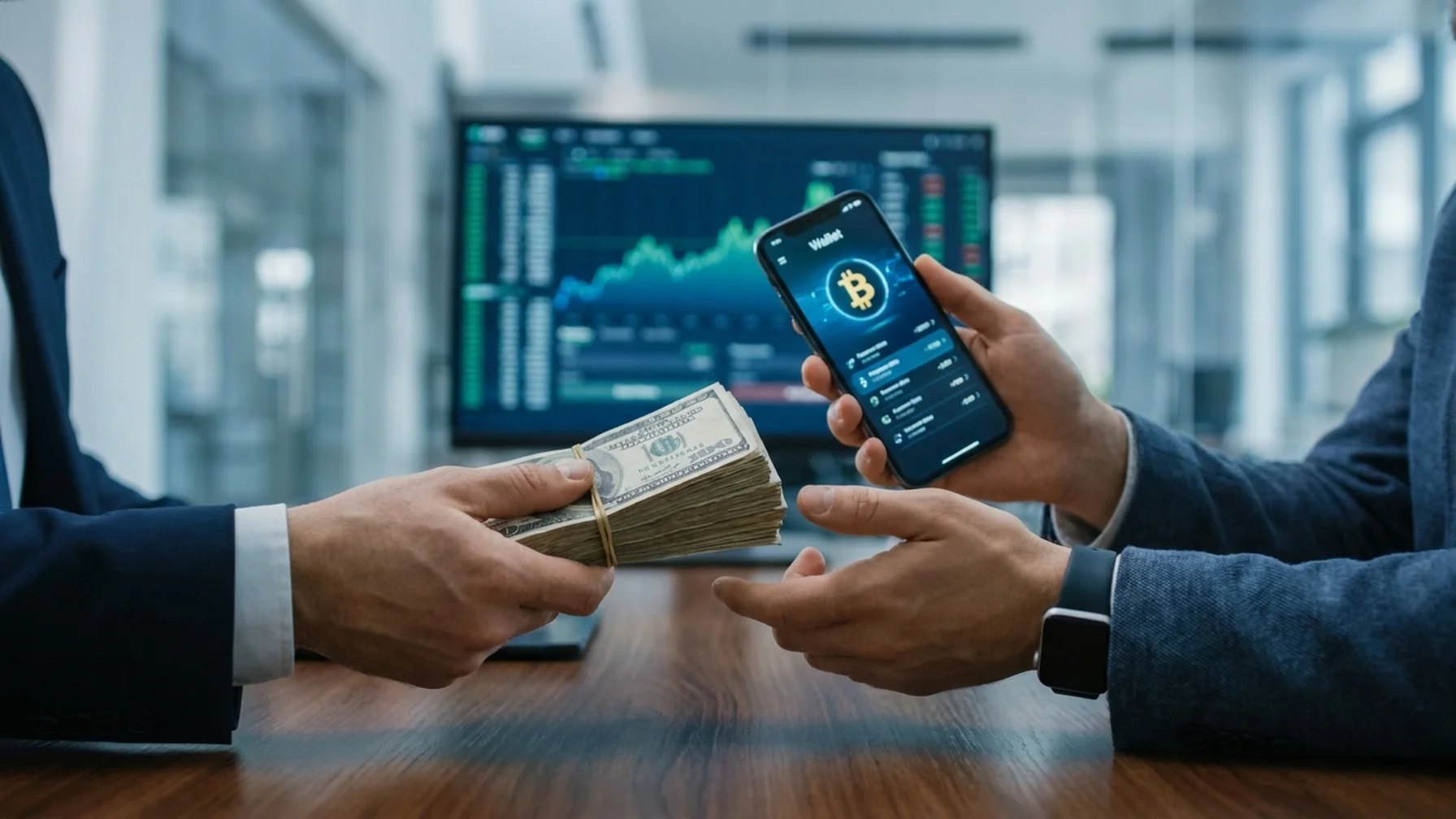
The payments industry is rapidly evolving, with innovations like Buy Now, Pay Later (BNPL) and cryptocurrencies challenging traditional methods. Acquirers and issuers must adapt to these changes, balancing new technologies with existing systems. For instance, crypto vs. card costs can differ significantly, impacting how acquirers and issuers manage transactions. A case in point is a retailer that integrates BNPL options at checkout, allowing consumers to split payments into installments, thereby increasing conversion rates and customer satisfaction.
Global Payment Systems: A Comparative Glance
Globally, payment systems like SWIFT, Ripple, UPI in India, and PIX in Brazil offer different approaches to transactions. These systems reflect diverse regulatory environments and consumer preferences. Acquirers and issuers must navigate these systems, understanding their unique features and how they impact international transactions. For example, a company looking to expand into Brazil might need to integrate PIX to cater to local payment preferences, ensuring a smooth entry into the market.
Regulation and Security Trends in Payments
Regulation plays a critical role in shaping the payments industry. Acquirers and issuers must comply with varying regulations, which can influence interchange fees and transaction processes. Trends like AI in payments and biometric authentication are also reshaping security protocols, requiring acquirers and issuers to adopt new technologies to prevent fraud. For example, a bank might implement AI-driven security measures to detect and prevent fraudulent transactions in real-time, enhancing security for both merchants and consumers.
Acquirers and Issuers: A Comparison Table
To better understand the differences between acquirers and issuers, here is a concise comparison:
| Aspect | Acquirers | Issuers |
|---|---|---|
| Primary Role | Process payments for merchants | Provide cards to consumers |
| Revenue Source | Fees from merchants | Interest and fees from cardholders |
| Focus | Merchant services | Cardholder services |
| Risk Management | Fraud detection for merchants | Credit risk management for cardholders |
| Customer Base | Businesses and merchants | Individual consumers |
This table highlights the distinct functions and priorities of acquirers and issuers within the payment ecosystem. Understanding these differences can help businesses make informed decisions about which services to prioritize and how to navigate the complex payment landscape effectively.
Common Mistakes in Acquirer and Issuer Interactions
Misunderstanding the roles of acquirers and issuers can lead to common mistakes. For instance, a merchant might assume that their acquirer is responsible for cardholder disputes, when in fact, the issuer handles these. This misunderstanding can result in delays and customer dissatisfaction. Another mistake is not optimizing payment strategies to leverage the strengths of both acquirers and issuers. For example, a business might not take full advantage of the fraud detection services offered by their acquirer, increasing their risk of fraudulent transactions. To avoid these pitfalls, businesses should educate themselves on the roles of acquirers and issuers and establish clear communication channels with both parties.
Deep Dive into Strategy: Leveraging Acquirer and Issuer Strengths
Developing a strategy to leverage the strengths of both acquirers and issuers can significantly improve transaction efficiency and security. Here are some steps to consider:
- Analyze Transaction Fees: Review the interchange fees charged by different card networks and identify opportunities to reduce costs. For instance, choosing the right mix of acquirers can lower overall transaction fees.
- Enhance Security Measures: Work with acquirers to implement robust fraud detection systems. This can include using AI-powered analytics to detect unusual patterns in real-time.
- Optimize Payment Options: Offer diverse payment methods supported by acquirers, such as credit cards, BNPL, and cryptocurrencies. This can cater to a wider customer base and improve conversion rates.
- Leverage Issuer Incentives: Collaborate with issuers to provide cardholders with incentives such as cashback or reward points, which can drive increased sales and customer loyalty.
- Regularly Review Contracts: Periodically assess agreements with acquirers and issuers to ensure competitive rates and services. This can involve negotiating better terms based on transaction volumes.
By strategically collaborating with both acquirers and issuers, businesses can optimize their payment processes, reduce costs, and enhance customer satisfaction. This approach allows for a more dynamic and responsive payment strategy that adapts to evolving market conditions and consumer preferences.
Conclusion: The Future of Acquirers and Issuers
The roles of acquirers and issuers will continue to evolve as the payments industry embraces new technologies and faces emerging challenges. Understanding their differences and how they interact is essential for businesses and consumers alike. As innovations like voice payments and IoT payments grow, acquirers and issuers will need to adapt, ensuring that transactions remain efficient and secure. Keeping abreast of these changes will be crucial for all stakeholders in maintaining a competitive edge in the ever-changing financial landscape.