
BNPL Business Trends Shaping the Payments Industry
Contents
The Buy Now, Pay Later (BNPL) model is transforming the payments industry, influencing how consumers and businesses handle transactions. Understanding BNPL business trends requires examining the broader financial landscape, including interchange fees, card networks, and new payment technologies. This article explores these dynamics to provide deeper insights.
Understanding the Roles of Acquirers and Issuers
In the payments ecosystem, acquirers and issuers have distinct roles. Acquirers process card payments for merchants, while issuers provide credit cards to consumers. The success of BNPL models often depends on the relationship between these two entities. A strong partnership can lead to seamless transactions, reduced fraud, and enhanced consumer trust.
Interchange Fees: Visa vs. Mastercard
Interchange fees significantly impact the profitability of BNPL services. Visa and Mastercard, the leading card networks, have different fee structures affecting merchants and consumers. Visa is known for higher fees, while Mastercard offers competitive rates that attract smaller businesses. This difference influences which network merchants might prefer when integrating BNPL solutions.
Key BNPL Business Trends
As the BNPL market evolves, several trends are shaping its future. These trends highlight BNPL's growing importance in the retail landscape and indicate how services will adapt to meet consumer expectations and regulatory demands.
- Increased adoption by diverse consumer demographics
- Integration with e-commerce platforms and retail partnerships
- Focus on regulatory compliance and consumer protection
- Expansion of BNPL services into new markets and industries
- Technological advancements enhancing user experience and payment flexibility
By understanding these trends, businesses can better navigate the dynamic BNPL landscape and stay competitive.
Strategies for Leveraging BNPL Trends
To capitalize on BNPL business trends, companies should adopt a strategic approach. Here are key steps to consider:
- Analyze consumer demand for flexible payment options to identify market opportunities.
- Monitor regulatory changes and compliance requirements affecting BNPL services.
- Adopt technology innovations that enhance user experience and streamline payment processes.
Following these steps can help businesses leverage trends to attract and retain customers effectively.
BNPL Industry Insights
The BNPL industry is a dynamic segment of the financial sector, marked by rapid growth and innovation. Companies like Klarna, Afterpay, and Affirm have disrupted traditional lending models by offering interest-free installments. This trend appeals particularly to younger consumers who prefer financial flexibility and transparency.
Cross-Border Transactions: SWIFT vs. Ripple
Cross-border payments are essential for global BNPL expansion. SWIFT and Ripple offer different solutions for these transactions. SWIFT, a traditional player, provides a secure and widely-used network. In contrast, Ripple uses blockchain technology for faster, more cost-effective transfers. Each has advantages, influencing how BNPL providers choose international transaction partners.
Domestic Transaction Methods: ACH vs. Wire
For domestic transactions, BNPL relies on Automated Clearing House (ACH) and wire transfers. ACH is favored for its cost-effectiveness and reliability, while wire transfers offer speed for larger transactions. Understanding these systems' nuances helps BNPL providers optimize payment processes.
Transforming European Payments: SEPA Instant
In Europe, the Single Euro Payments Area (SEPA) Instant Credit Transfer allows near-instant payments across member countries. This capability is crucial for BNPL services, ensuring consumers and businesses can settle transactions quickly, enhancing user experience and reducing friction.
Revenue Opportunities in Card Networks and Payment Facilitation
Card networks generate significant revenue from transaction fees, with BNPL services contributing to this stream. Payment facilitators like Square and Stripe simplify payment processing for merchants, offering integrated solutions that include BNPL options, thus increasing revenue potential.
Payment Orchestration and ISO 20022 Standards
Payment orchestration platforms allow businesses to manage multiple payment methods, including BNPL, through a single interface. The adoption of ISO 20022, a global standard for financial messaging, enhances this process by improving data quality and interoperability. This standardization is critical for integrating diverse payment systems seamlessly.
FedNow and the Demand for Faster Payments
The Federal Reserve's FedNow service aims to provide real-time payment capabilities in the U.S. This development aligns with the need for faster payment solutions in the BNPL space. Real-time payments can improve cash flow for businesses and give consumers immediate purchase confirmations.
Global Payment Innovations: UPI and Pix
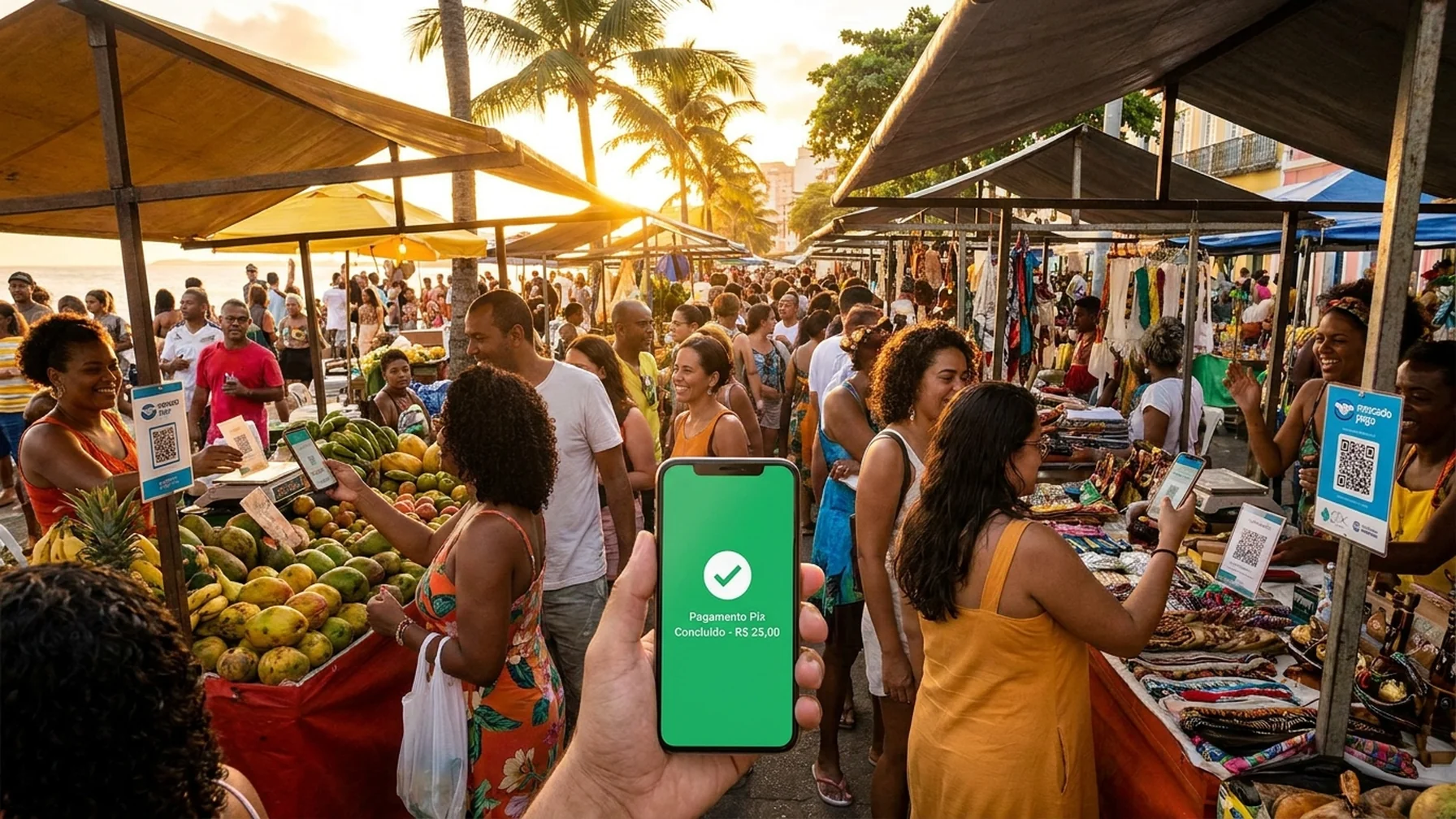
Universal Payment Interface (UPI) in India and Pix in Brazil have revolutionized payment systems in their regions. These innovations offer instant, secure, and low-cost transactions, setting benchmarks for BNPL services worldwide. They highlight the importance of adopting local payment methods to achieve global reach.
Business Models of Square, Stripe, and Adyen
Square, Stripe, and Adyen are major players in the payment facilitation sector, each with unique business models. Square focuses on small businesses, Stripe offers developer-friendly APIs, and Adyen provides end-to-end solutions for large enterprises. Their diverse approaches influence how BNPL services are integrated and monetized.
Regulation and Fraud in BNPL Services
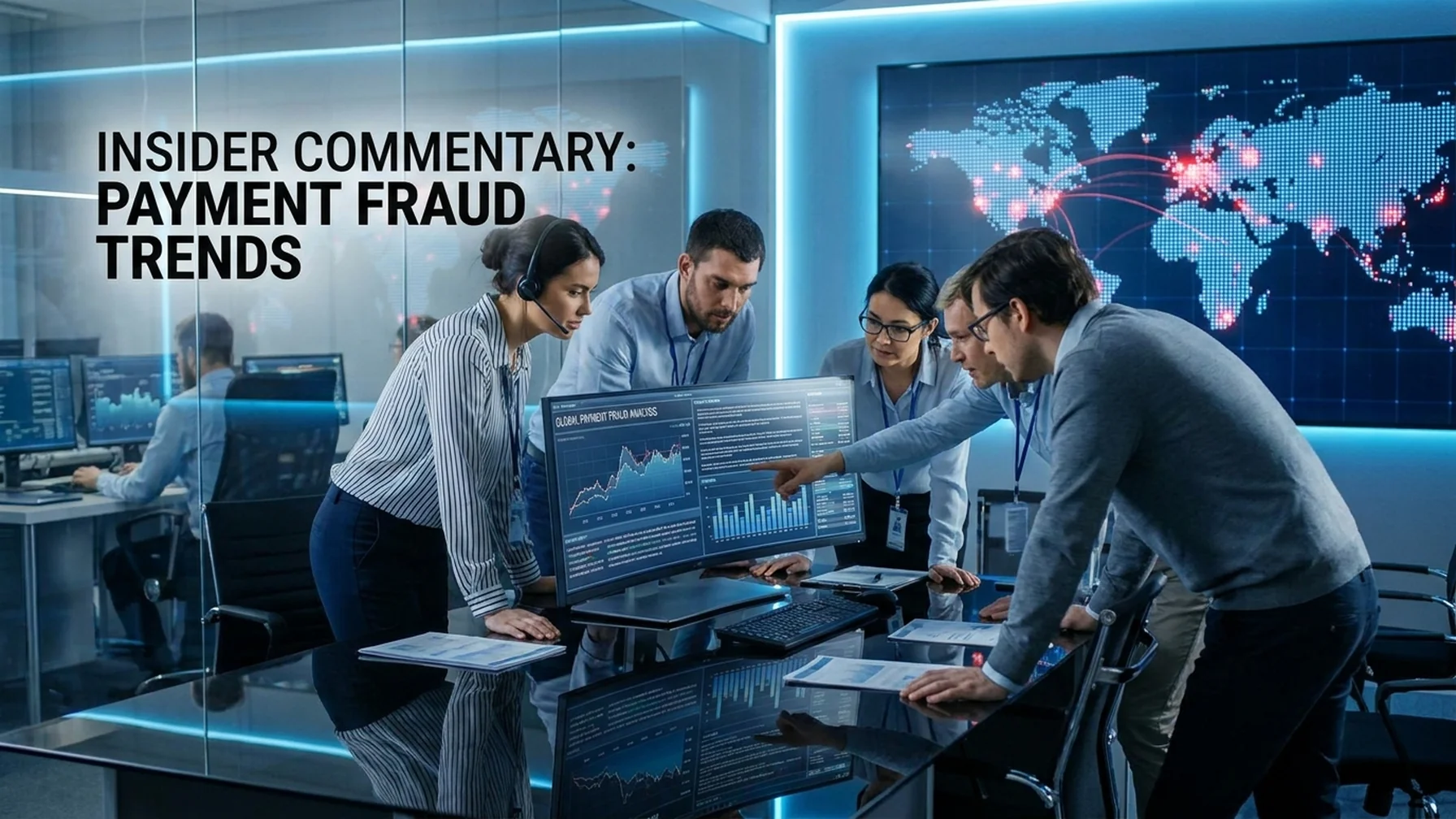
As the BNPL sector grows, so does the need for robust regulatory frameworks to protect consumers and businesses. Payment fraud is a significant concern, with increasing sophistication in cyber threats. BNPL providers must stay vigilant, employing advanced security measures and compliance strategies to mitigate risks.
The Role of Emerging Technologies in BNPL
Artificial intelligence (AI), biometric, and voice payments represent the future of the BNPL industry. AI enhances fraud detection and personalizes customer experiences. Biometric and voice payments offer secure, convenient alternatives to traditional methods. These technologies are poised to redefine how BNPL services operate.
IoT Payments and Crypto vs. Card Costs
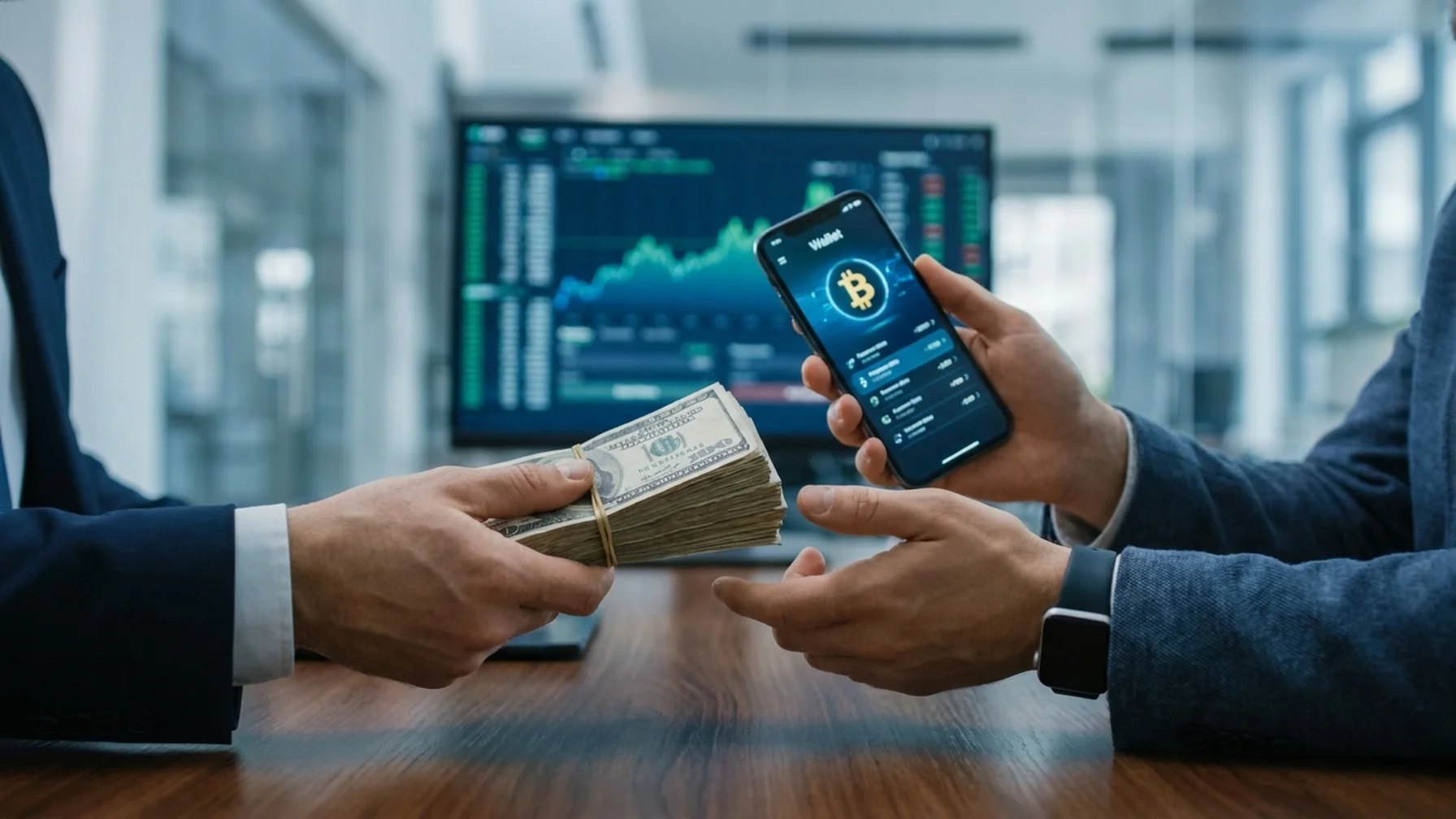
The Internet of Things (IoT) is transforming payment methods, enabling transactions through connected devices. Meanwhile, the debate over crypto versus card costs continues, as businesses weigh the benefits of blockchain technology against traditional card systems. BNPL providers must consider these factors when developing their payment strategies.
Cryptocurrency Rails and Stablecoin Payments
Cryptocurrency rails and stablecoin-based B2B payments offer innovative solutions for BNPL providers. These technologies promise faster, cheaper cross-border transactions, appealing to businesses seeking efficient payment options. Stablecoin integration can further stabilize transaction values, ensuring consistency in BNPL offerings.
The BNPL industry is at the forefront of payment innovations, driven by technological advancements and evolving consumer preferences. By understanding these trends, businesses can better position themselves in a competitive market, offering seamless, secure, and efficient payment solutions.
Comparing Key Payment Methods
Understanding the differences between payment methods is crucial for businesses. Below is a table comparing some key payment methods relevant to BNPL.
Comparison of Payment Methods
| Payment Method | Speed | Cost | Security |
|---|---|---|---|
| ACH | Slow | Low | Moderate |
| Wire Transfer | Fast | High | High |
| Ripple | Fast | Low | High |
| SWIFT | Moderate | Moderate | High |
By analyzing these options, businesses can choose the most suitable payment methods for their BNPL offerings, ensuring efficiency and customer satisfaction.