
Understanding Card Network Revenue Sources: A Comprehensive Guide
Contents
Card networks like Visa and MasterCard play a crucial role in global payment systems. At the core of their operations are various revenue sources that sustain their profitability and efficiency. This article delves into the primary sources of revenue for card networks, including interchange fees, and explores comparisons such as Visa vs. MasterCard fees, acquirer vs. issuer dynamics, and more.
Interchange Fees: A Core Revenue Stream
Interchange fees are a significant source of revenue for card networks. These fees are charged by the card-issuing bank to the merchant's bank (acquirer) for processing card transactions. They offset handling costs, fraud risks, and the credit facility provided to the cardholder. Both Visa and MasterCard have their own interchange fees, which vary based on the transaction type, location, and card type.
Regulation and Fraud Trends: Navigating Challenges
Payment regulations and fraud patterns are constantly evolving, impacting how card networks operate. Compliance and robust security measures help mitigate risks and safeguard revenue. Card networks employ advanced fraud detection to secure transactions.
Here are some steps card networks take to address these challenges:
- Monitor and adapt to changing regulatory requirements.
- Invest in cutting-edge fraud detection technology.
- Implement multi-layer security protocols.
- Conduct regular audits and risk assessments.
The table below highlights key technologies and their benefits:
Key Fraud Detection Technologies and Benefits
| Technology | Benefits |
|---|---|
| Machine Learning | Improves detection accuracy through data analysis. |
| Biometric Verification | Enhances security by using unique personal identifiers. |
| Tokenization | Protects sensitive data by replacing it with tokens. |
By following these steps and using these technologies, card networks aim to stay ahead of fraud and maintain a secure transaction environment.
Revenue Sources of Card Networks
Card networks leverage diverse revenue streams to build their business models. Here are the main sources of their revenue:
- Transaction Fees: Fees charged to merchants for card transaction processing.
- Interchange Fees: Payments made by the acquiring bank to the issuing bank per transaction.
- Annual Fees: Fees charged to cardholders for account maintenance.
- Foreign Transaction Fees: Applied to transactions made in foreign currencies.
- Service Fees: Fees for additional services like fraud protection and analytics.
These revenue streams enable card networks to maintain robust financial stability and continue to innovate in the payments landscape.
Visa vs. MasterCard Fees: A Comparative Insight
While Visa and MasterCard are similar in many respects, their fee structures can differ. Visa typically offers more standardized fees, whereas MasterCard might have more variable rates based on specific merchant agreements. Understanding these differences is crucial for businesses looking to optimize their payment processing costs.
Acquirer vs. Issuer: The Dual Roles in Card Transactions
In the payment ecosystem, acquirers and issuers play distinct yet interconnected roles. Acquirers process transactions on behalf of merchants, while issuers provide cards to consumers. Each party earns revenue differently; acquirers benefit from merchant service fees, while issuers earn from interest on credit balances and interchange fees.
The BNPL Industry: An Emerging Revenue Model
The Buy Now, Pay Later (BNPL) industry is reshaping traditional payment models. Card networks are tapping into this trend by providing solutions that integrate BNPL options, creating new revenue streams from transaction fees and partnerships with fintech companies.
SWIFT vs. Ripple: Cross-Border Payment Innovations
SWIFT has long dominated cross-border payments, but Ripple offers a blockchain-based alternative that reduces costs and speeds up transactions. Card networks are exploring partnerships and integrations with these systems to enhance their cross-border payment capabilities.
ACH vs. Wire Transfers: Domestic Payment Options
In the U.S., Automated Clearing House (ACH) transfers and wire transfers are two primary methods for moving money domestically. ACH is cost-effective for bulk transactions, while wire transfers are faster but more expensive. Card networks often leverage ACH for recurring payments and wire transfers for urgent, high-value transactions.
SEPA Instant: Europe’s Faster Payment System
The Single Euro Payments Area (SEPA) Instant Credit Transfer enables real-time euro transactions across Europe. Card networks benefit from this system by integrating instant payment solutions, thus expanding their service offerings and generating additional revenue from transaction processing and service fees.
Card Networks and Payment Facilitators: A Synergistic Relationship
Payment facilitators (PayFacs) simplify merchant onboarding, allowing card networks to scale their services more efficiently. By partnering with PayFacs, card networks can increase their transaction volumes and revenue through shared fees and service charges.
The Role of Payment Orchestration in Revenue Growth
Payment orchestration platforms help businesses streamline their payment processes across multiple providers. Card networks utilize these platforms to offer integrated solutions, enhancing transaction efficiency and maximizing their revenue potential from diverse payment channels.
ISO 20022: A New Standard in Messaging
ISO 20022 is an emerging global standard for financial messaging. Its adoption by card networks improves interoperability and data richness, enabling more accurate and efficient transactions. This, in turn, supports higher transaction volumes and increased revenue through improved processing capabilities.
FedNow and Faster Payments: The U.S. Initiative
FedNow is the Federal Reserve's initiative to enable faster payments in the U.S. By adopting such systems, card networks can offer immediate transaction capabilities, attracting more businesses and consumers, thereby boosting their revenue through increased transaction flow.
UPI India and PIX Brazil: Revolutionizing Payments
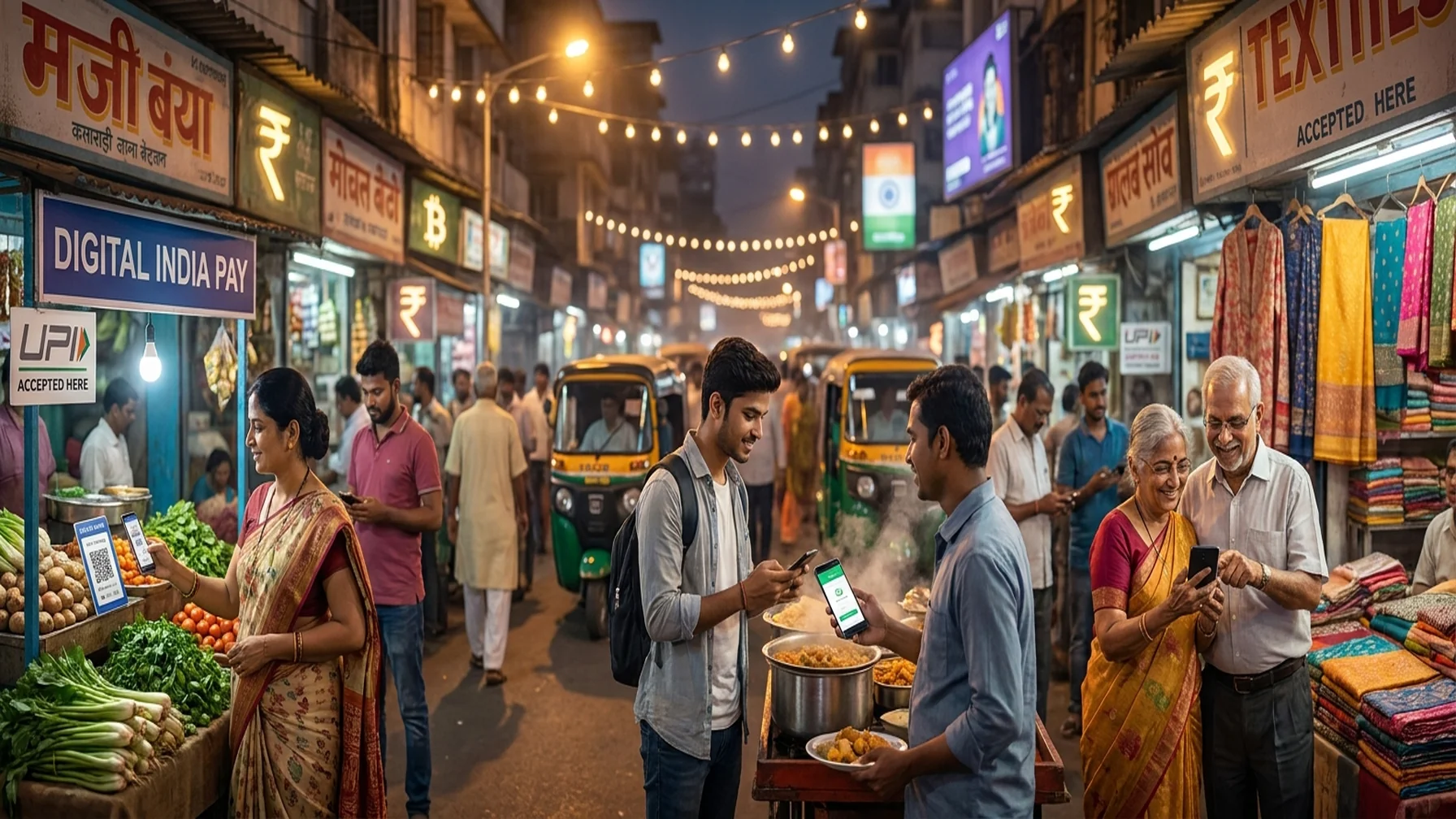
Unified Payments Interface (UPI) in India and PIX in Brazil are transforming digital payments with instant transfer capabilities. Card networks partnering with these systems can tap into these vast markets, expanding their reach and revenue through increased transaction volumes.
WeChat Pay and Alipay: The Chinese Payment Giants
WeChat Pay and Alipay dominate the Chinese digital payment landscape. Card networks collaborate with these platforms to facilitate cross-border transactions, generating revenue from processing fees and currency conversion charges, while accessing a vast consumer base.
Square, Stripe, and Adyen: Diverse Business Models
Payment processors like Square, Stripe, and Adyen offer unique business models that influence card network strategies. By understanding these models, card networks can better position their services to capture a share of the growing digital payment market.
AI, Biometric, and IoT Payments: The Future of Transactions
Artificial intelligence, biometric authentication, and the Internet of Things (IoT) are revolutionizing payments. Card networks are integrating these technologies to enhance security and user experience, driving revenue growth through innovative service offerings.
Crypto vs. Card Costs: Analyzing the Business Impact
Cryptocurrencies present both challenges and opportunities for card networks. While transaction costs can be lower with crypto, card networks provide established security and trust. Balancing these factors is key to optimizing revenue as digital currencies gain traction.
Stablecoin B2B Payments: A New Frontier
Stablecoins offer a stable value alternative for business-to-business (B2B) payments, providing efficiency and reduced volatility. Card networks exploring stablecoin integration can open new revenue channels through transaction fees and service offerings catered to B2B clients.
In conclusion, card networks rely on a diverse array of revenue sources to sustain their operations and innovate in the payment industry. By understanding these sources, businesses and consumers can better navigate the complexities of modern payment systems.