Exploring WeChat Pay Functionality in the Digital Payments Sphere
Contents
WeChat Pay has emerged as a pivotal force in the global digital payments arena, reshaping how transactions are conducted. As an integral part of the payments ecosystem, WeChat Pay functionality offers a window into the future of payment systems and technological advancements. In this article, we'll delve into the core functionalities of WeChat Pay, its role alongside payment facilitators, and its comparison with other payment systems such as Visa and Mastercard.
Understanding WeChat Pay's Core Functionalities
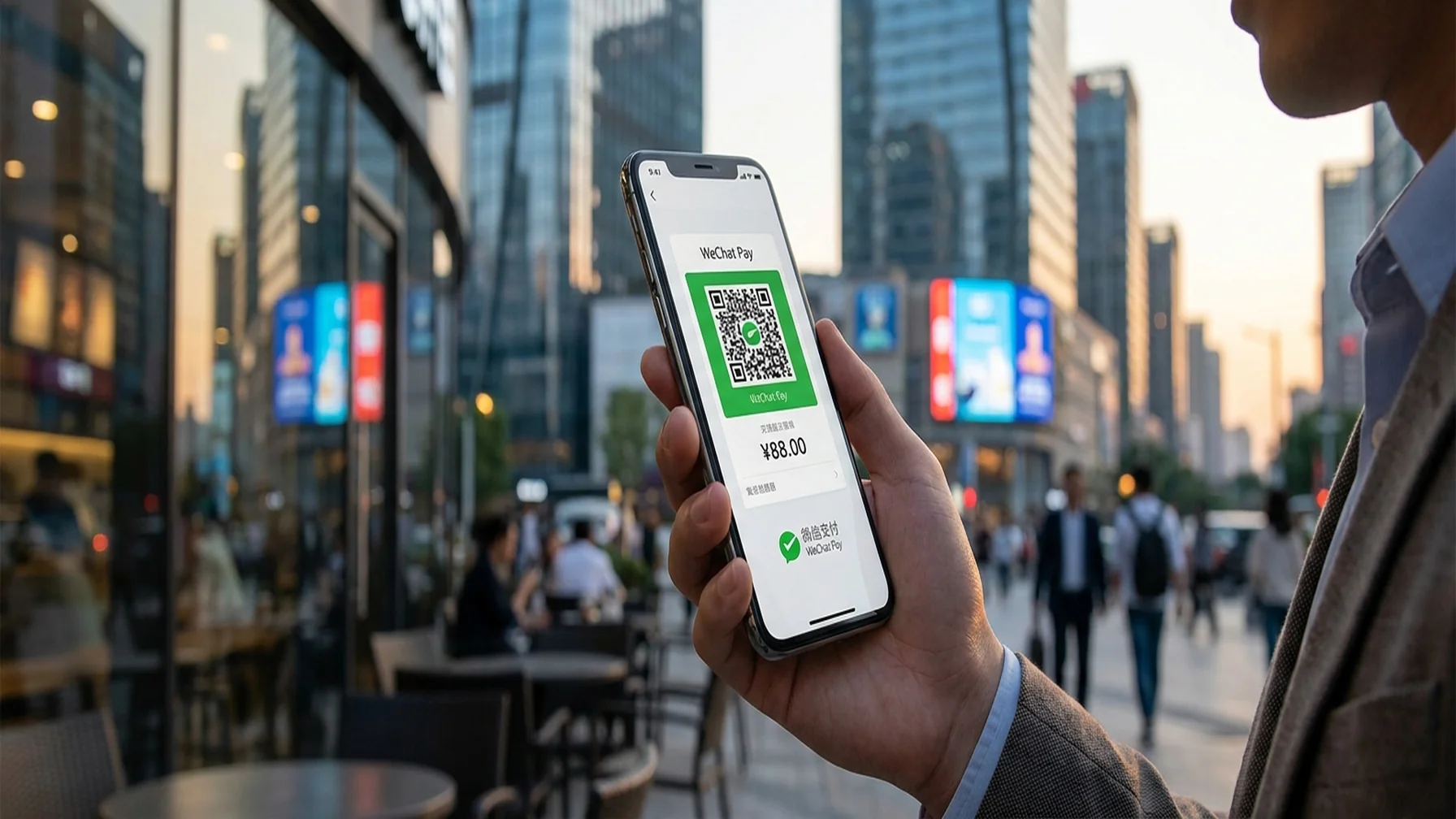
WeChat Pay enables users to perform a multitude of transactions directly via the WeChat app, offering seamless payment options for goods and services. This platform supports various payment methods, including peer-to-peer transfers, online shopping, and in-store purchases through QR codes, enhancing usability for its global user base. To provide more clarity, let's explore some of the key functionalities WeChat Pay offers:
- Seamless in-app payments for a variety of goods and services
- Peer-to-peer money transfers
- Integration with online merchants and e-commerce platforms
- QR code payments for fast transactions
- Support for utility bill payments and other recurring expenses
These features make WeChat Pay a versatile tool for managing both personal and business transactions, showcasing the convenience and efficiency of digital payments.
WeChat Pay and Payment Facilitators
Payment facilitators play a crucial role in simplifying payment acceptance for businesses. WeChat Pay, as a payment facilitator, not only simplifies transactions but also reduces barriers for merchants. Here's how WeChat Pay excels as a payment facilitator:
- Speeds up the payment process, enhancing customer satisfaction
- Reduces transaction costs, making it more affordable for businesses
- Ensures secure transactions, protecting both merchants and consumers
- Provides user-friendly interfaces for easy navigation
This approach aligns with the global trend towards optimizing and automating payment processes, making digital transactions more efficient and secure.
Setting Up and Using WeChat Pay
To utilize WeChat Pay effectively, follow these essential steps to set up and begin using its functionality:
- Download and install the WeChat app on your mobile device.
- Sign up for a WeChat account or log in with your existing credentials.
- Link your bank account or credit/debit card to your WeChat account for seamless transactions.
- Navigate to the "Wallet" section to access WeChat Pay features.
- Scan QR codes or generate your own to make payments at participating merchants.
By following these steps, you can easily leverage WeChat Pay's capabilities, ensuring quick and convenient transactions in your daily life.
Comparing Interchange Fees: Visa vs. Mastercard
Interchange fees are a significant factor in the payment industry, impacting the cost of transactions for both merchants and consumers. Visa and Mastercard both charge interchange fees, which are a percentage of the transaction amount. While WeChat Pay operates on a different model, understanding the differences in fee structures can help merchants make informed decisions.
| Payment System | Typical Interchange Fee |
|---|---|
| Visa | ~1.15% - 2.40% |
| Mastercard | ~1.10% - 2.50% |
While the fee structures are similar, slight variations can influence merchant preferences. Understanding these nuances is critical for businesses navigating the payment landscape.
Acquirer vs. Issuer: Understanding Their Roles
In the payment system framework, acquirers and issuers have distinct roles. The acquirer processes card payments on behalf of a merchant, while the issuer is the bank or financial institution that provides payment cards to consumers. WeChat Pay, by directly integrating with users' bank accounts, bypasses some traditional roles, thereby streamlining the payment process.
WeChat Pay's Role in the BNPL Industry
The Buy Now, Pay Later (BNPL) sector has gained traction, offering consumers flexible payment options. WeChat Pay has adopted similar functionalities, enabling users to manage their payment schedules effectively. This capability underscores WeChat Pay's adaptability in meeting modern consumer expectations.
SWIFT vs. Ripple: Cross-Border Payment Dynamics
SWIFT and Ripple represent different methodologies for cross-border transactions. SWIFT relies on a network of financial institutions, whereas Ripple utilizes blockchain technology for faster transaction processing. WeChat Pay, with its international reach, integrates a hybrid model, leveraging partnerships and technology to facilitate efficient global payments.
ACH vs. Wire Transfers: A Comparative Overview
Both Automated Clearing House (ACH) and wire transfers are electronic fund transfer methods. ACH is generally slower but more cost-effective, while wire transfers offer faster processing at a higher cost. WeChat Pay offers a balanced approach, providing quick and cost-effective transfers through its digital platform.
Embracing Biometrics in WeChat Pay
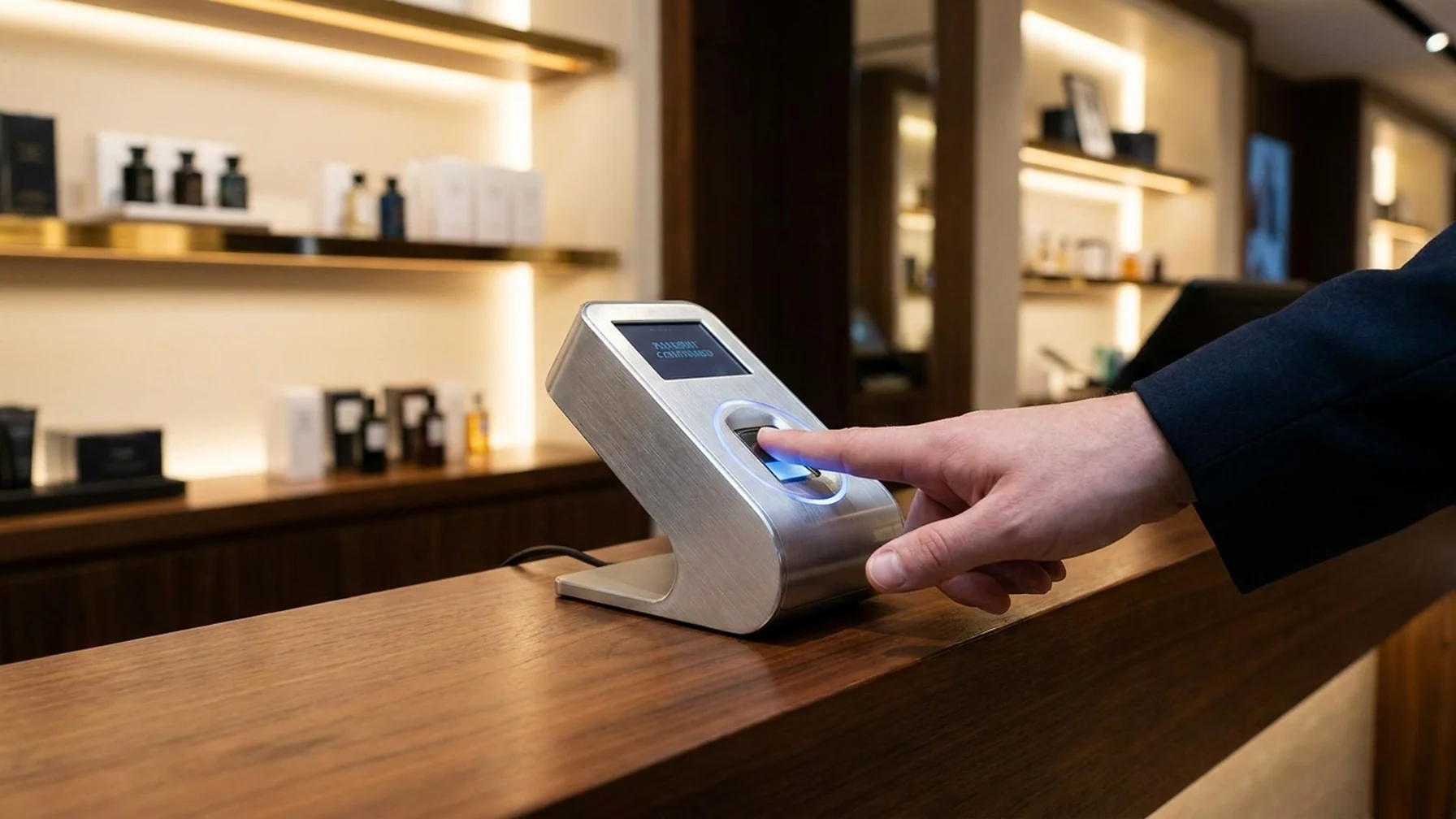
Biometric payments, which use physical characteristics like fingerprints for authentication, are becoming increasingly popular. WeChat Pay has incorporated this technology, offering secure and convenient payment solutions. This innovation highlights the growing importance of security and user experience in digital transactions.
In conclusion, WeChat Pay's functionality exemplifies the evolving landscape of digital payments. By examining various aspects of the payments industry, from interchange fees to innovative technologies, it's clear that WeChat Pay is at the forefront of payment innovation. As the industry continues to evolve, platforms like WeChat Pay will be instrumental in shaping the future of payments.